
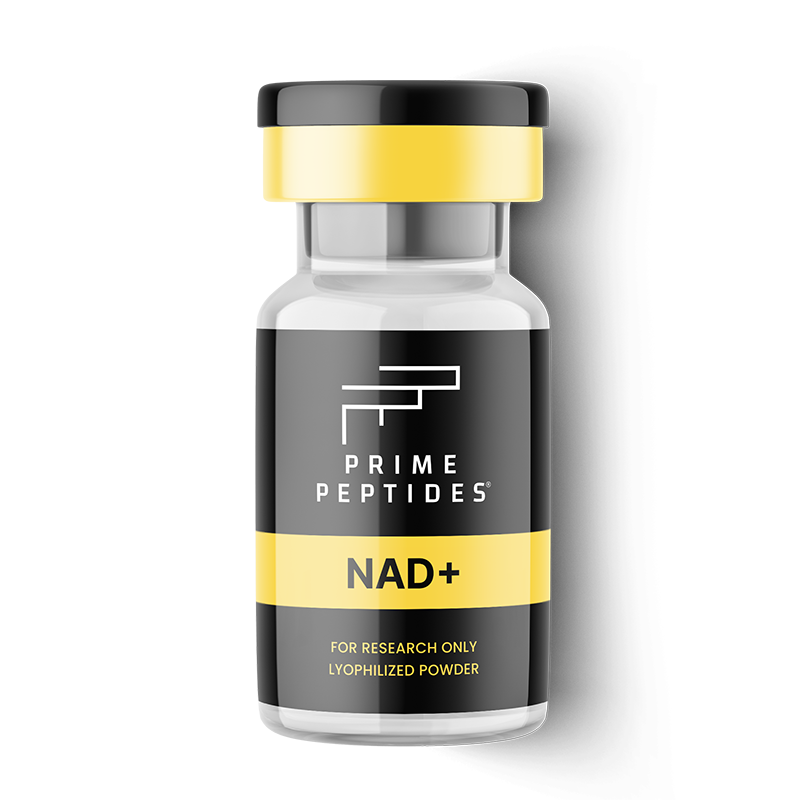


NAD+ – Cellular Energy & Mitochondrial Research Compound
Nicotinamide Adenine Dinucleotide, commonly referred to as NAD+, is a critical biological coenzyme widely studied in cellular energy production, mitochondrial function, metabolic regulation, and longevity research. In scientific and peptide-related studies, NAD+ is commonly categorized under cellular wellness compounds, metabolic support molecules, mitochondrial research agents, and anti-aging biochemical pathways.
Researchers investigate NAD+ for its essential role in ATP production, oxidative metabolism, DNA repair processes, and cellular signaling pathways. Because NAD+ naturally participates in numerous biological reactions, it has become a major focus in modern research involving energy metabolism, neuroprotection, age-related cellular decline, and mitochondrial efficiency.
Key Research Applications of NAD+
• Cellular energy production and ATP research
• Mitochondrial function and metabolic pathway studies
• DNA repair and cellular recovery investigations
• Longevity and anti-aging research models
• Neuroprotection and cognitive function studies
• Oxidative stress and inflammation pathway research
• Cellular resilience and metabolic efficiency investigations
Scientific Interest in NAD+
NAD+ continues to gain scientific attention because of its involvement in critical metabolic and cellular maintenance functions. Researchers study how declining NAD+ levels may influence aging pathways, energy production efficiency, and mitochondrial performance. Its importance in sirtuin activation and DNA repair mechanisms also makes it relevant in longevity and regenerative science.
In laboratory studies, NAD+ is frequently explored for its relationship with cognitive support pathways, oxidative stress management, and cellular adaptation processes. Scientists also investigate how NAD+ may influence tissue resilience and metabolic stability under various experimental conditions.
Mechanism of Action in Research
NAD+ functions as a coenzyme involved in redox reactions that support cellular energy generation. In experimental models, researchers analyze how it assists mitochondrial respiration, cellular repair activity, and metabolic signaling pathways. Studies also examine its interaction with enzymes associated with longevity, stress response, and cellular maintenance systems.
Frequently Asked Questions
What is NAD+ used for in research?
It is studied for cellular energy production, mitochondrial function, and anti-aging research.
Why is NAD+ important in metabolic studies?
Researchers investigate its central role in ATP production, oxidative metabolism, and cellular repair mechanisms.
Is NAD+ associated with longevity research?
Yes. It is commonly studied in models involving aging, mitochondrial decline, and cellular resilience pathways.
Is this for human use?
No. NAD+ is strictly intended for laboratory and scientific research purposes only.
Be the first to review “NAD+”
Related products

Reviews
There are no reviews yet.