
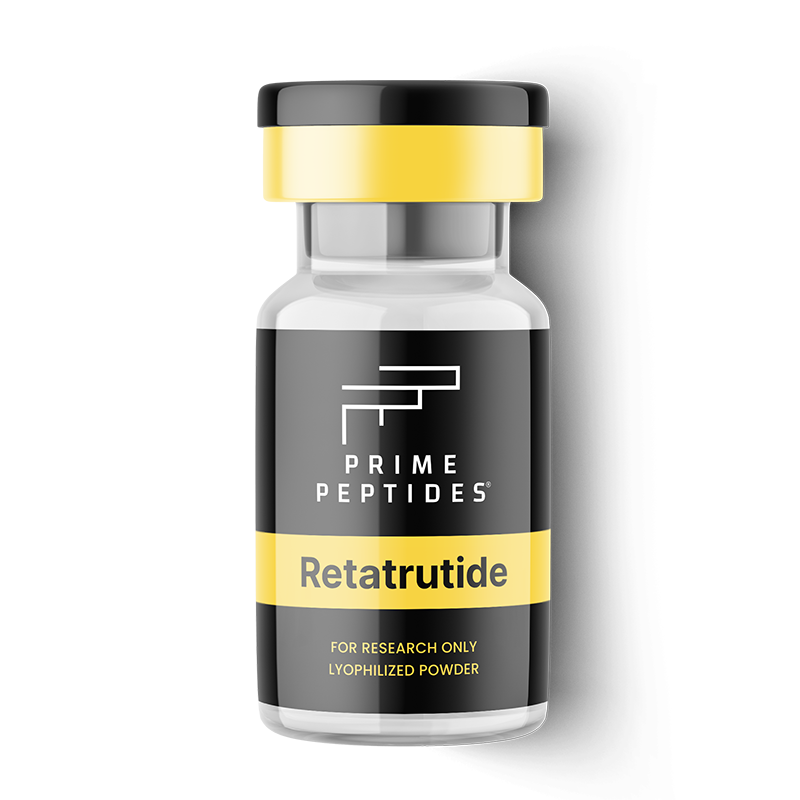


Retatrutide – Triple Hormone Receptor Agonist for Metabolic Research
Retatrutide is a cutting-edge experimental peptide studied for its multi-receptor activity targeting GLP-1, GIP, and glucagon pathways. It is widely considered one of the most advanced compounds in modern metabolic peptide research, obesity science models, and energy regulation studies.
In research environments, Retatrutide is evaluated for its potential role in glucose metabolism, appetite signaling, lipid oxidation, and energy expenditure regulation. Due to its triple agonist structure, it is frequently studied as part of next-generation metabolic optimization research.
Key Research Applications of Retatrutide
• Multi-receptor metabolic pathway research
• Appetite regulation and satiety signaling studies
• Glucose and insulin response modeling
• Energy expenditure and thermogenesis research
• Lipid metabolism and fat oxidation studies
• Obesity and metabolic disorder research models
• Endocrine signaling pathway investigations
Scientific Interest in Retatrutide
Retatrutide is considered a next-generation metabolic peptide due to its ability to interact with multiple hormonal pathways simultaneously. Researchers study how GLP-1, GIP, and glucagon receptor activation may work together to influence energy balance and metabolic efficiency.
Mechanism of Action in Research
Retatrutide activates three key metabolic receptors involved in glucose control, appetite suppression, and energy regulation. This makes it a highly valuable compound in experimental models focused on metabolic disease mechanisms and energy homeostasis.
Frequently Asked Questions
Why is Retatrutide studied?
It is researched for its multi-pathway metabolic effects and energy regulation potential.
Is it a weight loss peptide?
It is studied in weight management models but strictly for research use only.
Is it approved for human use?
No. Retatrutide is strictly for laboratory research purposes.
Be the first to review “Retatrutide”
Related products


Reviews
There are no reviews yet.