
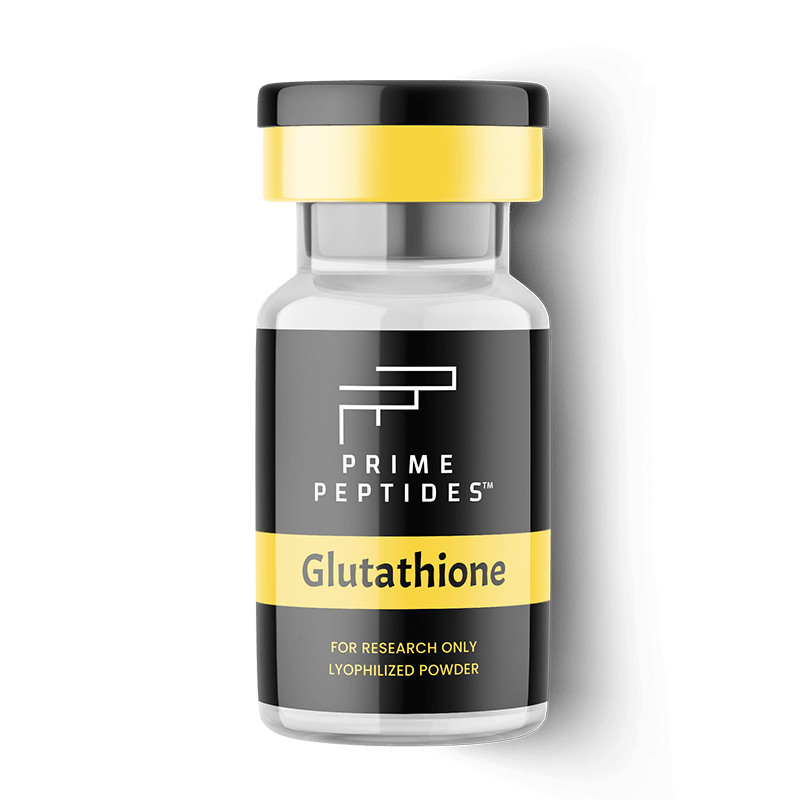
Glutathione – Master Antioxidant Peptide for Cellular Defense Research
Glutathione is a naturally occurring tripeptide composed of glutamine, cysteine, and glycine. It is widely studied in biochemical and medical research for its powerful antioxidant properties and role in cellular detoxification, oxidative stress reduction, and immune system regulation.
In peptide research, Glutathione is categorized as a detoxification peptide, antioxidant compound, and cellular protection molecule, making it a cornerstone of anti-aging and oxidative stress studies.
Key Research Applications of Glutathione
• Oxidative stress reduction and free radical research
• Cellular detoxification pathway studies
• Immune system modulation research
• Liver function and detoxification models
• Anti-aging and longevity science studies
• Mitochondrial function and energy production research
• Cellular repair and protection mechanisms
Scientific Interest in Glutathione
Glutathione is considered one of the most important intracellular antioxidants in biological systems. Researchers study its role in protecting cells from oxidative damage, environmental toxins, and metabolic stress.
Mechanism of Action in Research
Glutathione neutralizes reactive oxygen species and supports enzymatic detoxification processes. It is also studied for its role in recycling other antioxidants such as vitamins C and E.
Frequently Asked Questions
Why is Glutathione studied in research?
It is researched for its antioxidant, detoxification, and cellular protection properties.
Is it a peptide or vitamin?
It is a tripeptide with strong antioxidant function.
Is this for human use?
No. It is strictly for laboratory research purposes.
Be the first to review “Glutathione”
Related products
Reviews
There are no reviews yet.