
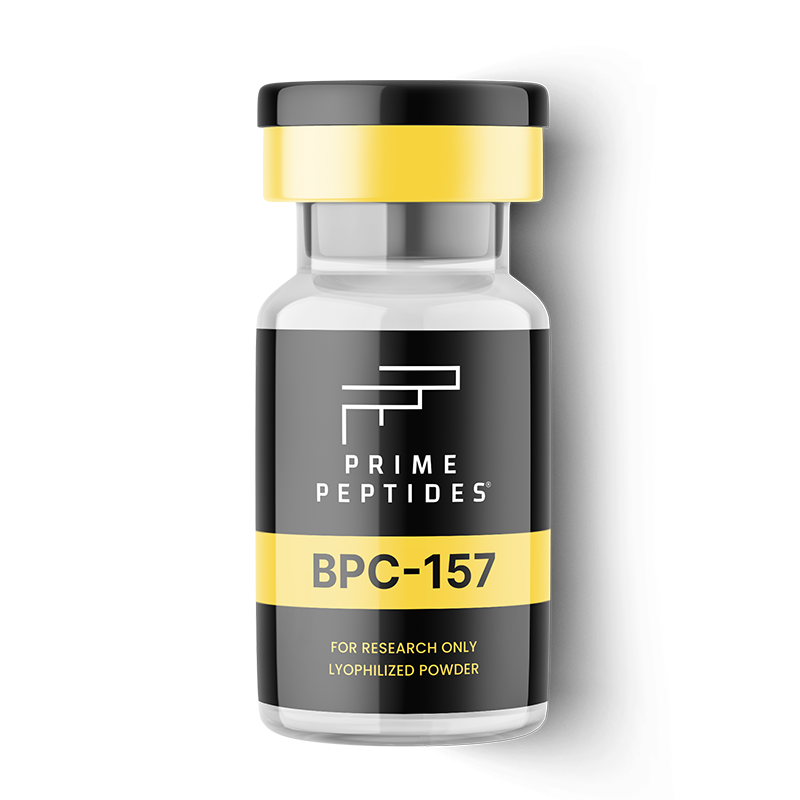
BPC-157 10mg – Advanced Research Peptide for Tissue Repair & Recovery
BPC-157 10mg is a highly researched peptide widely recognized in the scientific research community for its potential role in tissue repair, cellular regeneration, and recovery pathway studies. Derived from a protective gastric protein sequence, this synthetic pentadecapeptide has become one of the most studied compounds in modern peptide research focused on injury recovery, musculoskeletal support, and cellular healing mechanisms.
In laboratory and preclinical research settings, BPC-157 is frequently analyzed for its influence on angiogenesis, fibroblast activity, collagen formation, and inflammatory response modulation. These mechanisms make it a cornerstone peptide in studies related to tendon repair, ligament recovery, gut mucosal protection, and soft tissue regeneration research.
Researchers often categorize BPC-157 as a recovery peptide or regenerative peptide, due to its broad-spectrum interest in healing pathways. It is commonly evaluated alongside other peptides in advanced stacks designed for performance recovery, rehabilitation modeling, and cellular repair optimization.
Key Research Interests of BPC-157 10mg
• Tissue regeneration and repair pathway studies
• Tendon, ligament, and muscle recovery research
• Angiogenesis and blood vessel formation models
• Gastroprotective and gut lining research mechanisms
• Anti-inflammatory peptide research applications
• Cellular migration and healing response studies
• Recovery optimization in performance research models
Who Uses BPC-157 in Research?
BPC-157 is commonly studied in laboratory environments focusing on sports science research, regenerative medicine models, gastrointestinal protection studies, and cellular repair investigations. It is widely referenced in peptide research discussions involving recovery acceleration and tissue integrity support mechanisms.
How BPC-157 Works in Research Models
BPC-157 is believed to interact with growth factors and signaling pathways involved in tissue repair and angiogenesis. Research suggests it may support endothelial function and cellular migration, both critical processes in wound healing and recovery science. It is often studied in combination with other peptides for synergistic recovery pathway exploration.
Frequently Asked Questions
What is BPC-157 used for in research?
It is studied for tissue repair, recovery processes, and cellular regeneration mechanisms.
Is BPC-157 a growth hormone peptide?
No, it is not a growth hormone secretagogue, but it is often included in recovery-focused peptide research stacks.
Is this for human use?
No. BPC-157 10mg is strictly intended for laboratory and scientific research purposes only.
Be the first to review “BPC-157 10mg”
Related products
Reviews
There are no reviews yet.