Bacteriostatic Water (BAC Water) – Sterile Peptide Reconstitution Solution
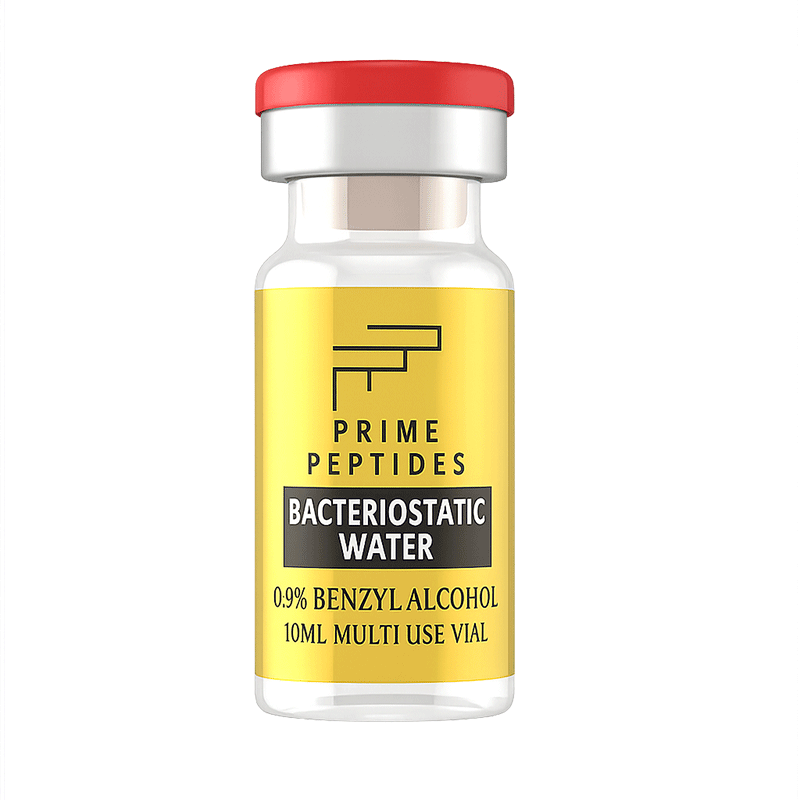
Bacteriostatic Water, commonly known as BAC Water, is a sterile diluent used in laboratory and research environments for the reconstitution of lyophilized peptides. It contains a small amount of benzyl alcohol, which helps inhibit bacterial growth, making it suitable for multi-use research handling.
In peptide science, BAC Water is an essential laboratory research accessory used to prepare peptides for experimental application. It plays a critical role in ensuring accurate dosing, peptide stability, and safe handling in controlled research environments.
Key Research Applications of BAC Water
• Peptide reconstitution in laboratory settings
• Sterile dilution of research compounds
• Multi-use solution for peptide handling
• Stability support for lyophilized peptides
• Laboratory preparation of injectable research substances
• Controlled experimental dosing preparation
• Peptide storage and handling research protocols
Scientific Importance
Bacteriostatic Water is not a peptide itself but a crucial component in peptide research workflows. Without proper reconstitution solutions, peptides cannot be accurately studied in controlled environments. It ensures consistency in experimental protocols and supports reproducible research outcomes.
Composition and Function
BAC Water contains sterile water and a small concentration of benzyl alcohol, which prevents bacterial contamination after vial puncture. This makes it suitable for repeated use in laboratory conditions, depending on research protocols.
Frequently Asked Questions
What is BAC Water used for?
It is used to reconstitute peptides for laboratory and research use.
Is it injectable for humans?
No. It is strictly for laboratory research and not for human administration.
Why is it important in peptide research?
It ensures peptides can be safely and accurately prepared for experimental studies.
Be the first to review “ Bacteriostatic Water”
Related products
Reviews
There are no reviews yet.