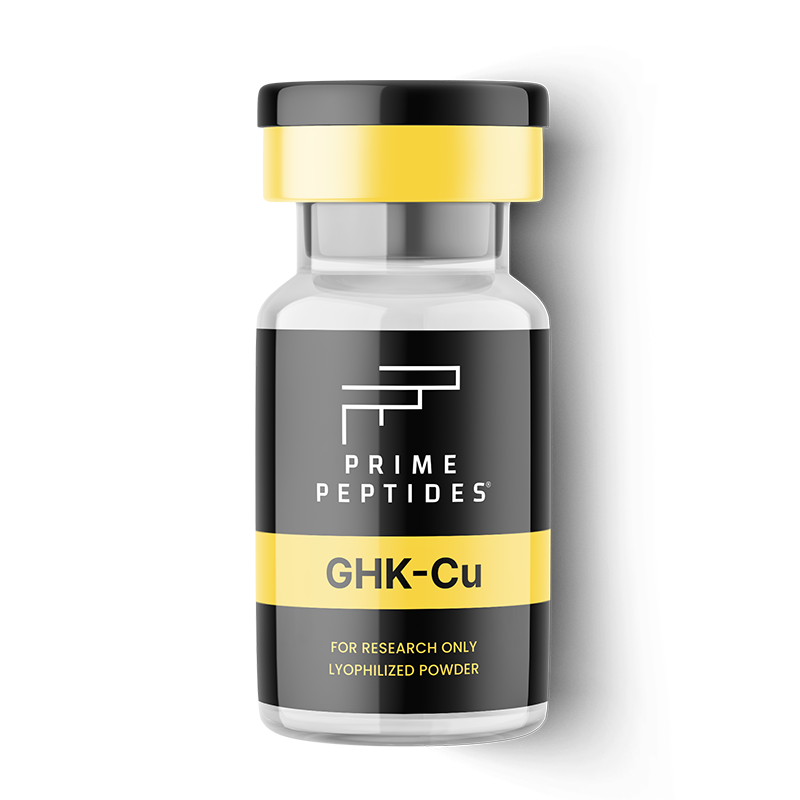
GHK-CU – Copper Peptide for Skin & Tissue Regeneration Research
GHK-Cu is a naturally occurring copper-binding peptide extensively studied in tissue regeneration, skin repair, collagen synthesis, and cosmetic peptide research. In peptide science, GHK-Cu is widely categorized under anti-aging peptides, regenerative research compounds, cosmetic peptides, and cellular repair molecules.
Researchers investigate GHK-Cu for its potential role in wound healing pathways, skin remodeling processes, hair follicle studies, and extracellular matrix regulation. Its growing relevance in regenerative and cosmetic science has made it a major focus in studies involving tissue renewal, skin appearance improvement, and cellular recovery mechanisms.
Key Research Applications of GHK-CU
• Skin regeneration and tissue repair studies
• Collagen production and elasticity research
• Cosmetic peptide and anti-aging investigations
• Hair follicle and scalp research models
• Wound healing pathway studies
• Cellular repair and regeneration research
• Inflammation and oxidative stress investigations
Scientific Interest in GHK-CU
GHK-CU attracts significant scientific interest because of its relationship with collagen-associated pathways and tissue maintenance mechanisms. Researchers study how the peptide may support skin firmness, dermal repair activity, and cellular communication processes involved in regeneration.
The peptide is also widely explored in cosmetic science for its potential influence on skin texture, appearance, and age-related tissue decline. Experimental studies investigate how GHK-CU interacts with extracellular matrix proteins and cellular signaling pathways associated with tissue renewal.
Mechanism of Action in Research
GHK-CU is studied for its interaction with copper-dependent biochemical pathways involved in tissue repair and collagen synthesis. In research models, scientists examine how the peptide may regulate cellular regeneration, inflammatory response activity, and skin remodeling mechanisms. Studies also explore its potential influence on gene expression related to tissue maintenance and healing processes.
Frequently Asked Questions
What is GHK-CU used for in research?
It is studied for tissue regeneration, collagen production, and cosmetic peptide research.
Why is GHK-CU popular in skin research?
Researchers investigate its potential role in skin repair, elasticity support, and anti-aging pathways.
Is GHK-CU researched for hair-related studies?
Yes. It is commonly included in studies involving hair follicles and scalp regeneration mechanisms.
Is this for human use?
No. GHK-CU is strictly intended for laboratory and scientific research purposes only.
Be the first to review “GHK-CU”
Related products
Reviews
There are no reviews yet.